
Blog Details
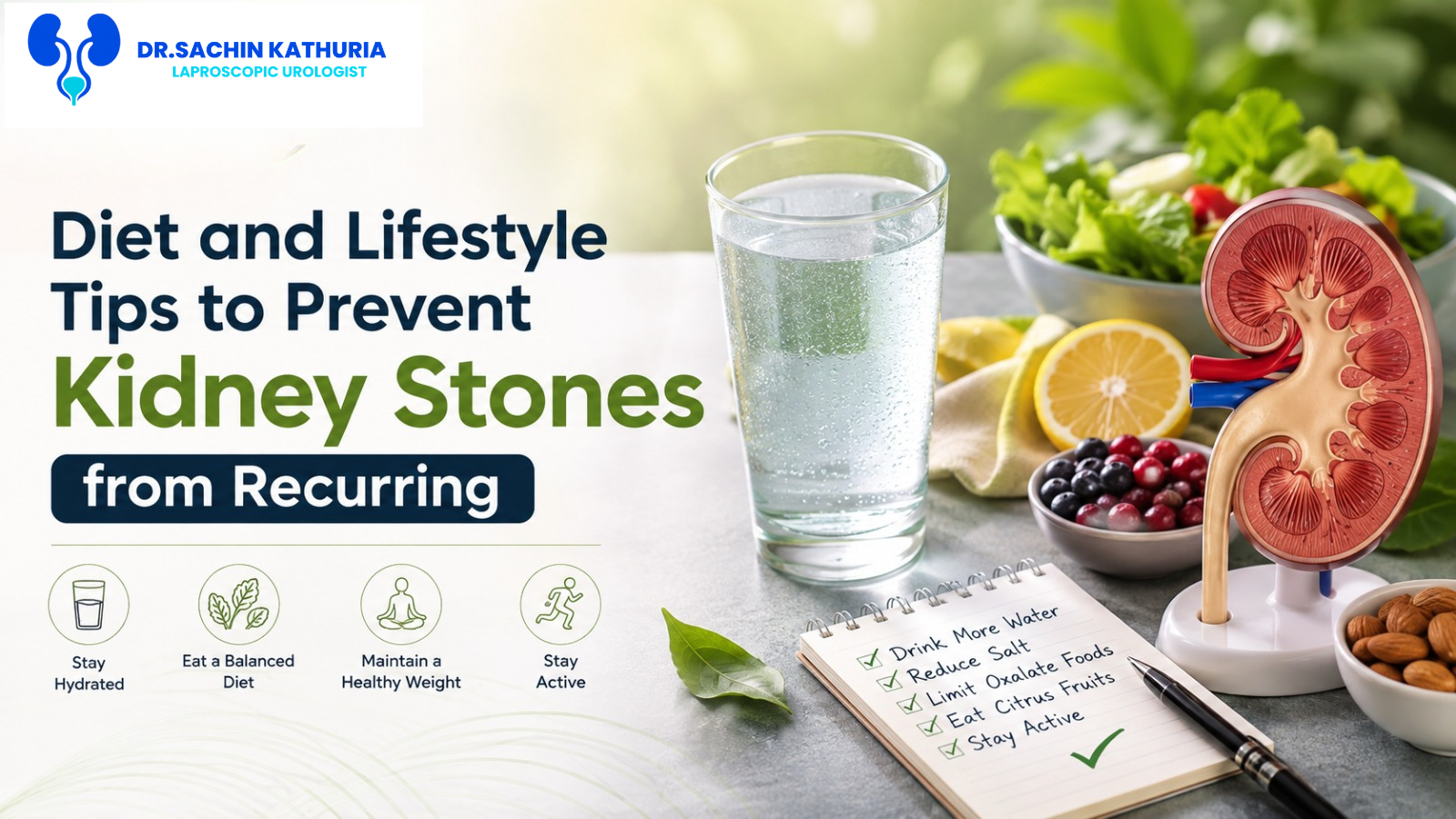
Diet and Lifestyle Tips to Prevent Kidney Stones from Recurring
Kidney stones can be extremely painful, and for people who have experienced them once, the possibility of developing another stone can be concerning. Although medical treatment can remove existing stones, making the right dietary and lifestyle changes can help reduce the risk of recurrence.
Kidney stones develop when certain minerals and salts become concentrated in the urine and form crystals. The risk of developing stones can depend on factors such as hydration, diet, family history, medical conditions, lifestyle habits, and the type of stone previously formed.
If you have recurrent kidney stones, consulting the Best urologist in Delhi can help identify possible risk factors and develop a personalized prevention plan.
1. Drink Plenty of Water
Staying well hydrated is one of the most important steps for preventing kidney stones. Drinking enough water helps dilute substances in the urine that can form crystals.
Make water your primary beverage and drink regularly throughout the day. You may need additional fluids during hot weather, exercise, or activities that cause excessive sweating.
Instead of waiting until you feel thirsty, make hydration a regular part of your daily routine. People with certain medical conditions may need individualized fluid recommendations, so discuss your requirements with your healthcare professional.
2. Reduce Salt Intake
Eating too much salt can increase the amount of calcium released into the urine, which may contribute to the formation of certain kidney stones.
Try to limit foods that are high in sodium, including:
Packaged snacks
Chips and salted nuts
Pickles
Instant noodles
Processed meats
Canned foods
Fast food
Ready-to-eat meals
Salty sauces and condiments
Choose fresh foods whenever possible and avoid adding excessive salt while cooking or eating.
3. Do Not Completely Avoid Calcium
Many people believe that calcium automatically causes kidney stones. As a result, they may unnecessarily eliminate milk and other calcium-rich foods from their diet.
However, getting an appropriate amount of calcium through food can actually be helpful for some people, particularly those who are prone to calcium oxalate stones. Dietary calcium can bind with oxalate in the digestive system and reduce the amount that reaches the urine.
Therefore, do not remove calcium from your diet without professional advice. Foods such as milk, yogurt, and other calcium-rich options can be included in appropriate amounts.
4. Be Careful With High-Oxalate Foods
Calcium oxalate stones are one of the most common types of kidney stones. If you are prone to these stones, your doctor may recommend controlling your intake of foods that are particularly high in oxalates.
Some foods that may contain significant amounts of oxalate include:
Spinach
Nuts
Peanuts
Wheat bran
Rhubarb
Certain vegetables
This does not mean that everyone with kidney stones must completely avoid these foods. Dietary recommendations should depend on your individual stone type and urine test results.
5. Limit Excessive Animal Protein
A diet containing excessive amounts of animal protein may increase the risk of certain types of kidney stones. Large quantities of meat and other animal-based protein can affect urine chemistry and may contribute to stone formation in susceptible individuals.
Try to maintain a balanced diet containing vegetables, fruits, whole grains, and appropriate sources of protein.
The goal is not to eliminate protein but to avoid excessive consumption and maintain a balanced eating pattern.
6. Include More Fruits and Vegetables
Fruits and vegetables can be an important part of a kidney-friendly diet. They provide essential nutrients, fiber, and water while helping support overall health.
Some fruits, particularly citrus fruits, contain citrate. Citrate can help reduce the formation of certain kidney stones in some individuals.
Try to include a variety of fresh fruits and vegetables in your daily meals rather than relying heavily on processed foods.
7. Maintain a Healthy Weight
Maintaining a healthy body weight can support overall metabolic and urinary health. Being overweight may increase the risk of developing certain types of kidney stones.
Regular physical activity, portion control, adequate hydration, and a balanced diet can help maintain a healthy weight.
Avoid crash diets or extreme weight-loss programs without professional guidance. Sustainable lifestyle changes are generally more beneficial for long-term health.
Best urologist in Delhi
8. Limit Sugary and Carbonated Beverages
Regular consumption of sugary drinks and soft drinks can contribute to an unhealthy dietary pattern and may increase the risk of kidney stones in some people.
Instead of depending on carbonated or sugar-sweetened beverages, choose water as your main source of hydration.
If you prefer flavored drinks, naturally flavored water or other appropriate low-sugar options can be considered.
9. Know Your Kidney Stone Type
Not all kidney stones are the same. Common types include calcium oxalate, calcium phosphate, uric acid, and cystine stones.
Each type can have different causes and dietary risk factors. Therefore, following a generic kidney stone diet may not always be the most effective approach.
If you have passed a stone, its composition can sometimes be analyzed. Your doctor may also recommend blood tests or urine tests to understand why stones are forming.
Knowing your specific risk factors can make prevention more targeted and effective.
10. Stay Consistent With Lifestyle Changes
Preventing kidney stones is not something that should be done only after experiencing pain. Long-term consistency is important.
Develop simple habits such as:
Carrying a water bottle
Drinking water regularly
Reducing salty foods
Eating more fresh foods
Limiting excessive animal protein
Maintaining a healthy weight
Staying physically active
Following your doctor's recommendations
Small changes practiced consistently can make a meaningful difference in reducing the risk of recurrence.
When Should You See a Urologist?
You should consider medical evaluation if kidney stones keep coming back or if you experience symptoms such as severe pain in the back or side, blood in the urine, painful urination, difficulty passing urine, persistent vomiting, fever, or chills.
Recurrent stones may sometimes indicate an underlying metabolic or urinary problem that requires further evaluation.
Consulting the Best urologist in Delhi can help determine whether additional investigations, medications, dietary changes, or preventive treatment are required.
Can Kidney Stones Be Completely Prevented?
There is no single method that guarantees complete prevention of kidney stones. However, identifying the cause and making appropriate dietary and lifestyle changes can significantly reduce the risk for many people.
The prevention strategy should be based on your previous stone type, medical history, dietary habits, urine composition, and other individual risk factors.
If you have a history of recurrent stones, working with the Best urologist in Delhi can help you create a long-term prevention strategy instead of simply treating each stone episode as it occurs.
Conclusion
Kidney stones can recur, but adopting healthier dietary and lifestyle habits may help reduce the risk. Drinking adequate water, limiting excess salt, maintaining appropriate calcium intake, moderating animal protein, eating plenty of fruits and vegetables, maintaining a healthy weight, and avoiding excessive sugary beverages are important preventive measures.
Most importantly, prevention should be personalized. The ideal diet for one person may not be appropriate for another because kidney stone types and risk factors can vary.
If you have experienced kidney stones repeatedly or are concerned about recurrence, professional evaluation can help identify the underlying cause and guide appropriate preventive measures. With the right combination of medical guidance and consistent lifestyle changes, you can take meaningful steps toward protecting your urinary and kidney health.
FAQs
1. Can drinking water prevent kidney stones?
Yes. Adequate hydration helps dilute urine and may reduce the risk of stone formation.
2. Should I stop eating calcium if I have kidney stones?
No. Appropriate dietary calcium can be beneficial for some people. Do not eliminate it without medical advice.
3. Which foods should I avoid with kidney stones?
Excess salt, excessive animal protein, and certain high-oxalate foods may need to be limited depending on your stone type.
4. Can kidney stones come back after treatment?
Yes. Kidney stones can recur, which makes long-term prevention important.
5. Is the same diet suitable for everyone with kidney stones?
No. Dietary recommendations depend on the type of stone and your individual risk factors.
